A Global Leader in
High-Pressure Cylinders
and Green Energy

Knowledge Base

2026.0115
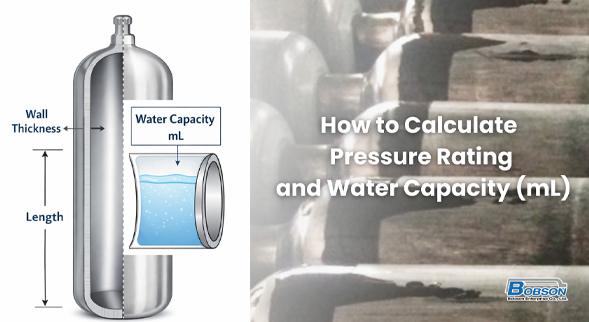
In aluminum high-pressure cylinder design, outside diameter, wall thickness, and length directly define pressure rating and water capacity.
This document explains DOT 3AL–based engineering calculations for design and regulatory reference purposes only.
2026.0113
In high-pressure vessels and medical-related supply chains, the word certification is often used as a generic term. In reality, DOT, TÜV, and ISO represent three fundamentally different systems, each addressing a different level of risk and responsibility.
2026.0112
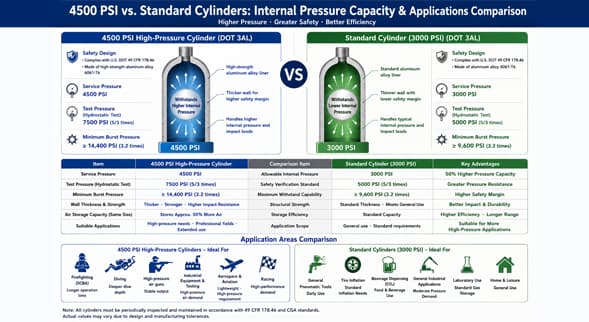
Internally, we do not ask: should we make a 4500 PSI cylinder?
We ask a more fundamental question: Under what conditions is a 4500 PSI design the most responsible choice - for the user, the system, and long-term safety?
2026.0109
In modern healthcare, oxygen cylinders are not auxiliary devices. They are directly integrated into respiratory and life-support systems, which is why medical oxygen cylinders operate under zero safety tolerance.
2025.1226
In racing films and professional drag racing, we often see drivers press a button, flames erupt from the exhaust, and the car surges forward with incredible velocity. This is the magic of the Nitrous Oxide System (NOS).
2025.1226
From life-saving medical oxygen to competitive paintball sports, why do we insist on manufacturing with 6061-T6? This guide explores the material science and engineering benefits that make this alloy the superior choice.